რვა ათასი წლის ფესვებიRoots eight thousand years deep
სანამ ღვინო მითად, ლოცვად და სუფრის განუყოფელ ნაწილად იქცეოდა, მისი ისტორია ვაზით და ყურძნით იწყებოდა. ჩავდივართ იქ, სადაც ყველაფერი დაიწყო. Before wine became myth, prayer, and an inseparable part of the Georgian feast, its story began with the vine and the grape. We journey back to where it all began.










ჩავდივართ ფესვებამდეDown to the roots
მიწის ყოველი ფენა ღვინის ისტორიის ერთი ხანაა.Every layer of earth is one age in the story of wine.
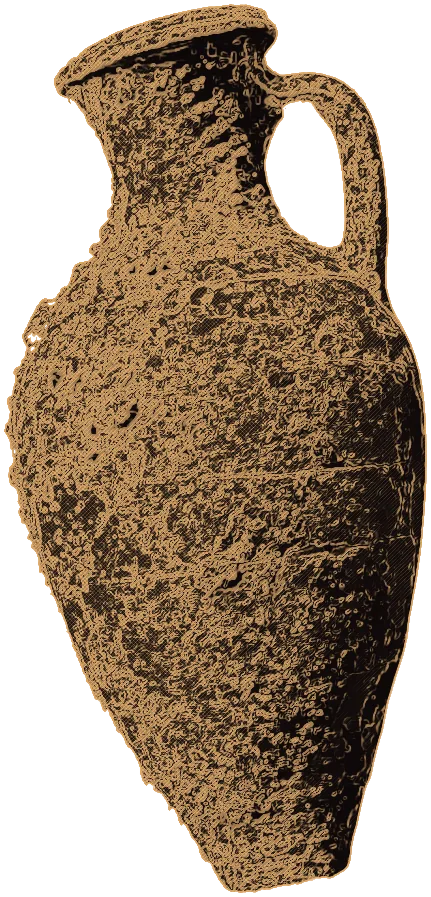
კოლხური ამფორაThe Colchian amphora
ბერძნულ მითოლოგიაში კოლხეთი ოქროს საწმისის იდუმალი ქვეყანა იყო. "არგონავტიკის" მიხედვით მეფე აიეტის სასახლესთან ღვინის წყაროც კი მოედინებოდა - სიმბოლო, რომელიც ამ მიწის მითურ სიმდიდრეს კიდევ უფრო გამოკვეთს.In Greek mythology, Colchis was the mysterious land of the Golden Fleece. According to the Argonautica, a spring of wine flowed beside King Aeëtes’ palace - a symbol that further highlights the mythical richness of this legendary land.
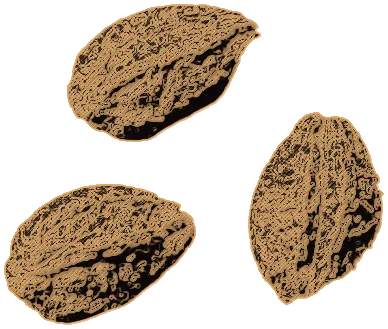
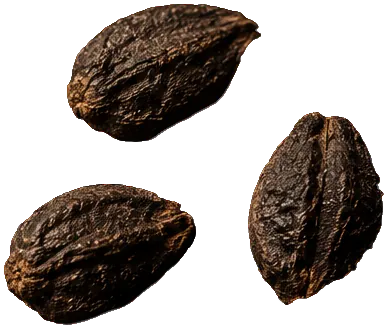
ვაზის წიპწაThe grape pip
ყურძნის წიპწის ფორმა გვიჩვენებს ველურ ვაზს ეკუთვნის იგი, თუ კულტურულს. ამ პერიოდიდან საქართველოში კულტურული ვაზის წიპწები ჭარბობს.Grape pip shape can distinguish wild vines from cultivated varieties. From this period onward, cultivated grape pips become more prevalent in Georgia.
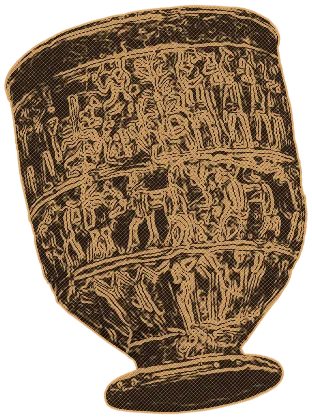
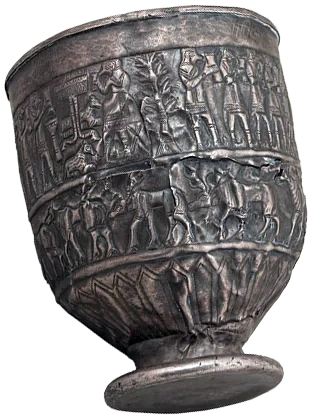
თრიალეთის ვერცხლის თასიThe Trialeti silver goblet
თასზე სასმისებით ხელში მიმავალი მსვლელობაა გამოსახული. დღეს ის საქართველოს ეროვნულ მუზეუმში ინახება.It shows a procession of cup-bearers. Today it is kept at the Georgian National Museum.
შულავერის ჭურჭელიA Shulaveri jar
თიხის ჭურჭლის ნატეხებზე ღვინის მჟავის კვალია აღმოჩენილი, რაც ღვინის არსებობის ერთ-ერთი უძველესი ქიმიური მტკიცებულებაა.Traces of tartaric acid found on pottery fragments, chemical evidence of wine’s ancient history.
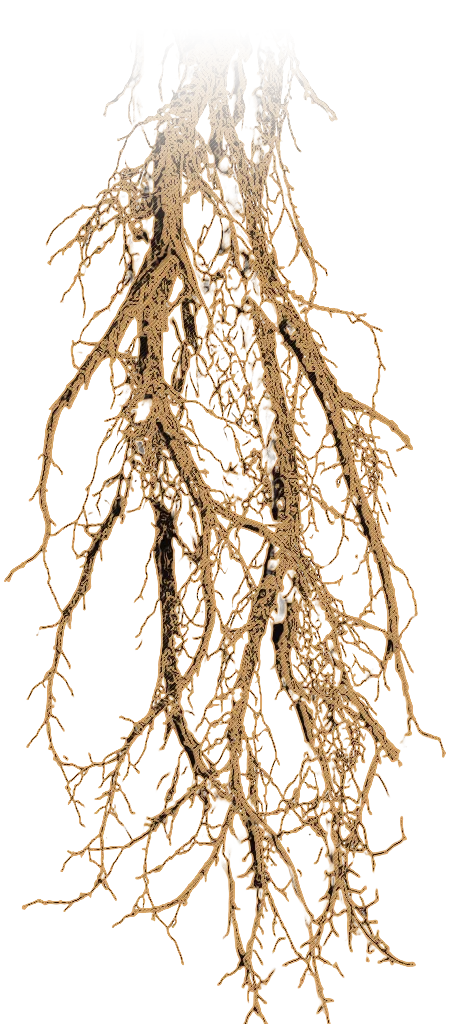
ვაზის ფესვებიThe roots of the vine
ვაზი ორ ძირითად რეგიონში მოშინაურდა - დასავლეთ აზიასა და საქართველოში. სწორედ საქართველო ითვლება ღვინის დაყენების უძველეს კერად.Grapevines were domesticated in two main regions - Western Asia and Georgia. it is Georgia that is considered the cradle of winemaking.
ოქროს საწმისის ქვეყნის ღვინოWine in the land of the Golden Fleece
ბერძნულ მითოლოგიაში კოლხეთი ზღაპრული სიმდიდრის ქვეყანა იყო. აპოლონიოს როდოსელის "არგონავტიკაში" (ძვ. წ. III ს.) მეფე აიეტის სასახლის ეზოში ჰეფესტოს მიერ შექმნილი ოთხი წყარო მოედინება: რძის, ღვინის, სურნელოვანი ზეთისა და წყლის. მითი მითად რჩება, თუმცა ის კარგად გადმოსცემს, როგორ წარმოედგინა ანტიკურ სამყაროს კავკასიის ეს მხარე - საკვირველი სიუხვისა და სიმდიდრის მიწად, სადაც ღვინოც კი წყაროსავით მოედინება.In Greek mythology, Colchis was a land of extraordinary wealth. In Apollonius of Rhodes’ Argonautica (3rd century BC), four springs created by Hephaestus flow in the courtyard of King Aeëtes’ palace: one of milk, one of wine, one of fragrant oil, and one of water. The myth remains a myth, yet it vividly conveys how the ancient world imagined this part of the Caucasus - as a land of wondrous abundance and riches, where even wine flowed like water from a spring.
მითი მითად რჩება, მაგრამ ის კარგად აჩვენებს, როგორ ხედავდა ანტიკური სამყარო კავკასიის ამ კუთხეს - როგორც მიწას, სადაც ღვინო თავად მოედინება.A myth remains a myth, but it shows how the ancient world saw this corner of the Caucasus - as a land where wine flows of its own accord.
რას გვიყვება წიპწაWhat a pip tells
ველური და კულტურული ვაზის წიპწები ფორმით განსხვავდება: ველურის მრგვალი და მოკლეა, კულტურულის - წაგრძელებული, გრძელი „ცხვირით“. არქეობოტანიკოსები წიპწის ფორმის ზუსტი გაზომვით ადგენენ, როდის გადავიდა ადამიანი ტყის ვაზის კრეფიდან ვენახის გაშენებაზე.Wild and cultivated grape pips differ in shape: the wild pip is round and short, the cultivated one elongated, with a long “beak”. By precisely measuring pip shapes, archaeobotanists can tell when people moved from gathering the forest vine to planting vineyards.
2021 წელს გამოქვეყნებულმა კვლევამ საქართველოს არქეოლოგიური ძეგლების ყურძნის წიპწები შეისწავლა. უძველესი წიპწები შუა ბრინჯაოს ხანისაა (ძვ. წ. 1746–1534) და ჯერ კიდევ ველური ფორმისაა. კულტურული ვაზის ფორმის წიპწები ჭარბობს გვიანი ბრინჯაოს ხანიდან - დედოფლის გორაზე (ძვ. წ. 1110–940) ისინი ნაპოვნი წიპწების თითქმის ორ მესამედს შეადგენს.A study published in 2021 examined grape pips from archaeological sites across Georgia. The oldest pips date to the Middle Bronze Age (1746–1534 BC) and are still wild in shape. Pips of the cultivated form prevail from the Late Bronze Age - at Dedoplis Gora (1110–940 BC) they make up almost two thirds of the pips found.
თასი და ვაზი ბრინჯაოს ხანაშიCup and vine in the Bronze Age
ბრინჯაოს ხანის საქართველოში სასმისები უკვე რიტუალური ცხოვრების ნაწილია. თრიალეთის ყორღანებში აღმოჩენილ ძვირფას ნივთებს შორის განსაკუთრებული ადგილი უჭირავს ცნობილ ვერცხლის თასს, რომლის ზედა სარტყელზე სასმისებით ხელში მიმავალი ფიგურების მსვლელობაა გამოსახული, ხოლო ქვედაზე - ირმები. მასთან ერთად აღმოჩენილი, ძვირფასი ქვებით შემკული ოქროს თასიც უძველესი ქართული ხელოვნების გამორჩეული ნიმუშია. ორივე ნივთი საქართველოს ეროვნულ მუზეუმში ინახება. In Bronze Age Georgia, drinking vessels were already part of ritual life. Among the precious objects discovered in the Trialeti burial mounds, one stands out: the famous Silver Goblet, whose upper band depicts a procession of figures carrying drinking vessels, while the lower band features deer. A gold cup decorated with precious stones, discovered alongside other remarkable artifacts, is another outstanding example of ancient Georgian craftsmanship. Both objects are preserved at the Georgian National Museum.
ვერცხლის თასი ძვ. წ. XVIII–XVII საუკუნეებით თარიღდება. მისი გამოსახულებები რიტუალურ სცენაზე მიანიშნებს და გვიჩვენებს, რომ სასმისს იმდროინდელ საზოგადოებაში განსაკუთრებული მნიშვნელობა ჰქონდა. The silver goblet dates to the 18th–17th centuries BC. Its upper frieze shows a procession of cup-bearing figures moving towards an enthroned figure with a raised cup; the lower frieze shows deer.
ამავე ხანისაა საქართველოში ნაპოვნი უძველესი ყურძნის წიპწებიც.The oldest grape pips found in Georgia belong to this same age.
ღვინის უძველესი ქიმიური კვალიThe oldest chemical trace of grape wine
შულავერ-შომუთეფეს მიწათმოქმედებიThe farmers of Shulaveri-Shomutepe
ქვემო ქართლის ვაკეზე, დაახლოებით რვა ათასი წლის წინ, ადრეული მიწათმოქმედები ცხოვრობდნენ. მათი კულტურა არქეოლოგიაში შულავერ-შომუთეფეს კულტურის სახელითაა ცნობილი. ისინი მრგვალ, ალიზის სახლებში სახლობდნენ, მარცვლეულს თესავდნენ, საქონელს ზრდიდნენ და თიხის ჭურჭელს ამზადებდნენ. On the plains of Kvemo Kartli, early farming communities flourished around 8,000 years ago. Their culture is known to archaeologists as the Shulaveri–Shomu culture. They lived in round mud-brick houses, cultivated cereals, raised livestock, and made pottery.
2017 წელს სამეცნიერო ჟურნალ PNAS-ში გამოქვეყნდა ქართველ და უცხოელ მეცნიერთა ერთობლივი კვლევა. გადაჭრილი გორისა და შულავერის გორის ნეოლითური დასახლებებიდან მოპოვებული თიხის ჭურჭლის ნატეხების ქიმიურმა ანალიზმა გამოავლინა ღვინოსთან დაკავშირებული ორგანული მჟავები, მათ შორის ღვინის მჟავა (ტარტარინის მჟავა) - ყურძნისა და ღვინის ერთ-ერთი მნიშვნელოვანი ქიმიური მაჩვენებელი. ეს ნაშთები ძვ. წ. 6000–5800 წლებით თარიღდება. In 2017, a joint study by Georgian and international researchers was published in the scientific journal PNAS. Chemical analysis of pottery sherds from the Neolithic settlements of Gadachrili Gora and Shulaveri Gora revealed organic acids associated with wine, including tartaric acid - an important chemical marker of grapes and wine. These remains date to approximately 6000–5800 BC.
იმავე პერიოდის არქეოლოგიურ მასალებში აღმოჩენილია ყურძნის მტვრისა და სახამებლის კვალიც, რაც ამ ადგილებში ვაზის არსებობასა და ყურძნის გამოყენებაზე მიუთითებს. ამ აღმოჩენამდე ღვინის უძველეს ქიმიურად დადასტურებულ კვალად ირანის ზაგროსის მთებში, ჰაჯი-ფირუზ-თეფეზე აღმოჩენილი ნაშთები მიიჩნეოდა, რომლებიც ძვ. წ. 5400–5000 წლებით თარიღდება. საქართველოში აღმოჩენილი მტკიცებულებები ღვინის წარმოების ისტორიას დაახლოებით 600–1000 წლით უფრო ადრეული პერიოდით ათარიღებს. Traces of grape pollen and starch have also been identified in archaeological materials from the same period, pointing to the presence of grapevines and the use of grapes in the region. Before these discoveries, the oldest chemically confirmed evidence of wine was generally associated with remains found at Hajji Firuz Tepe in Iran’s Zagros Mountains, dating to around 5400–5000 BC. The evidence discovered in Georgia pushes the known history of winemaking back by approximately 600–1,000 years.
სად მოშინაურდა ვაზიWhere the vine was tamed
2023 წელს ჟურნალ Science-ში გამოქვეყნებულმა გენეტიკურმა კვლევამ ათასობით ვაზის ნიმუში შეისწავლა. მისი დასკვნით, ვაზი დაახლოებით 11 000 წლის წინ ერთდროულად ორ ადგილას მოშინაურდა - დასავლეთ აზიასა და კავკასიაში. დასავლეთ აზიური შტოდან სუფრის ყურძენი მოდის, კავკასიურიდან - ღვინის ვაზი.In 2023 a genetic study published in Science examined thousands of grapevine samples. It concluded that the vine was domesticated about 11,000 years ago, at the same time in two places - Western Asia and the Caucasus. The Western Asian line gave table grapes; the Caucasian line gave the wine grape.
ეს გენეტიკური შეფასებაა: ვაზის მოშინაურება ღვინის პირველ არქეოლოგიურ კვალს - შულავერის ჭურჭელს - დაახლოებით სამი ათასი წლით უსწრებს.This is a genetic estimate: the taming of the vine precedes the first archaeological trace of wine - the Shulaveri jars - by about three thousand years.
ველური ვაზი - ტყის ვაზი - დღესაც იზრდება საქართველოს ტყეებში, მდინარეების ხეობებში. ის თითქოს ცოცხალი მოწმეა იმისა, საიდან დაიწყო ყველაფერი.The wild grapevine - tkis vazi, “the forest vine” - still grows in Georgia’s woods and river valleys today, like a living witness to where it all began.